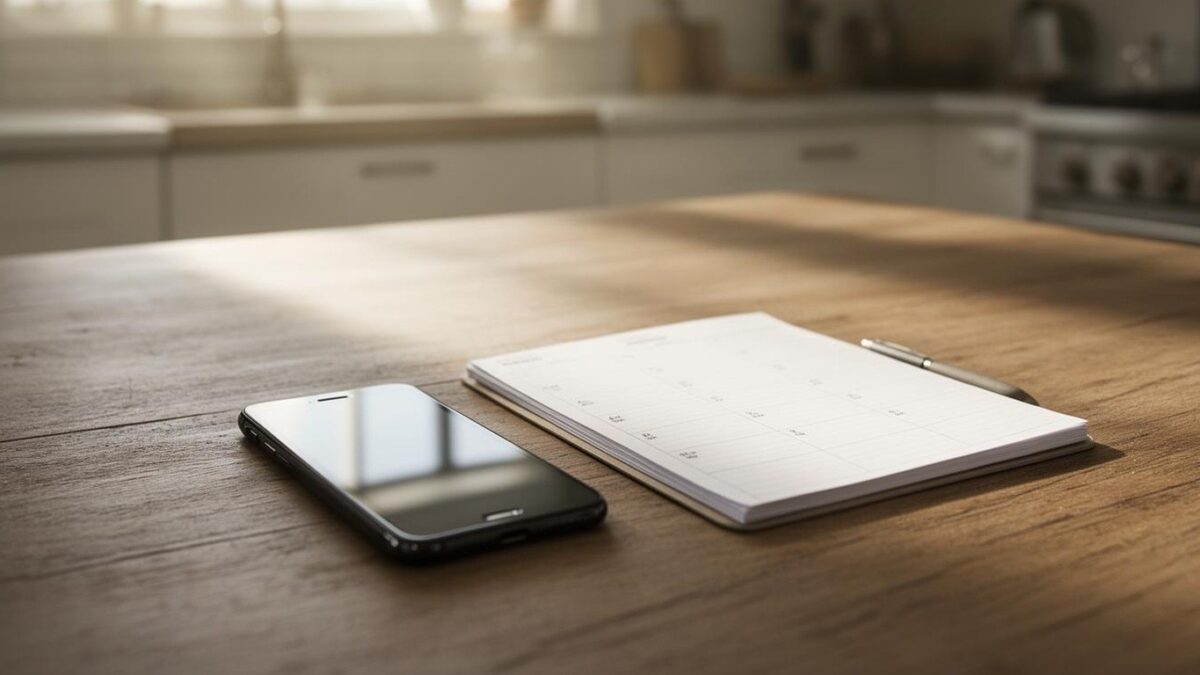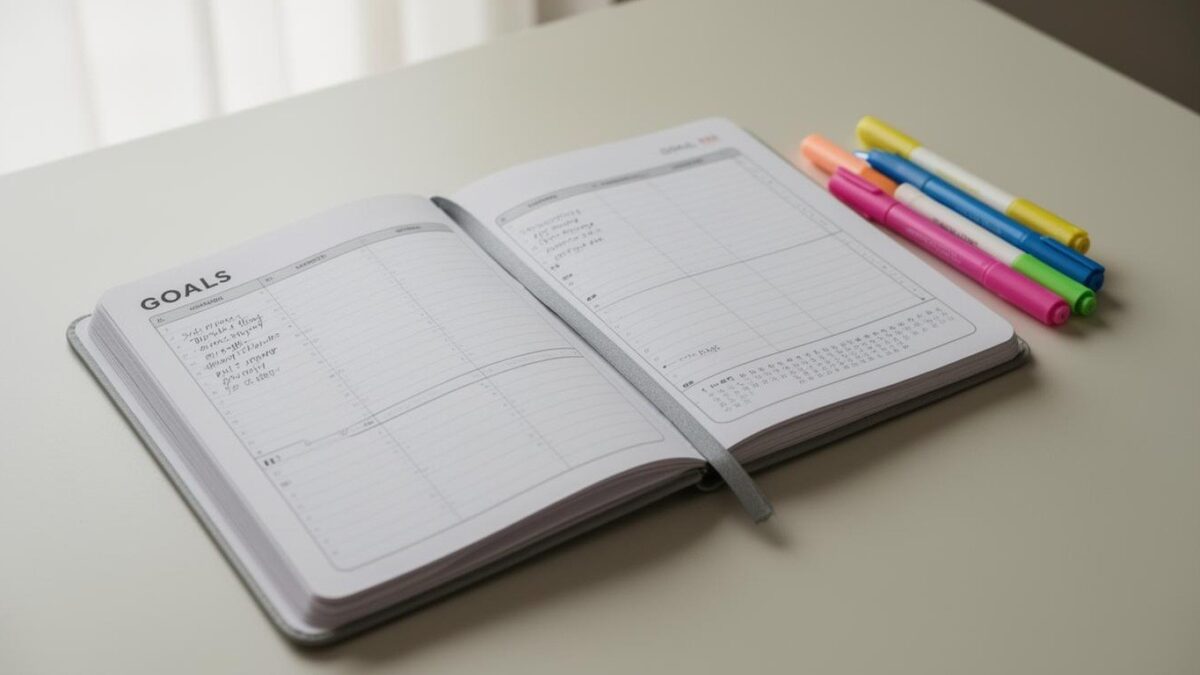
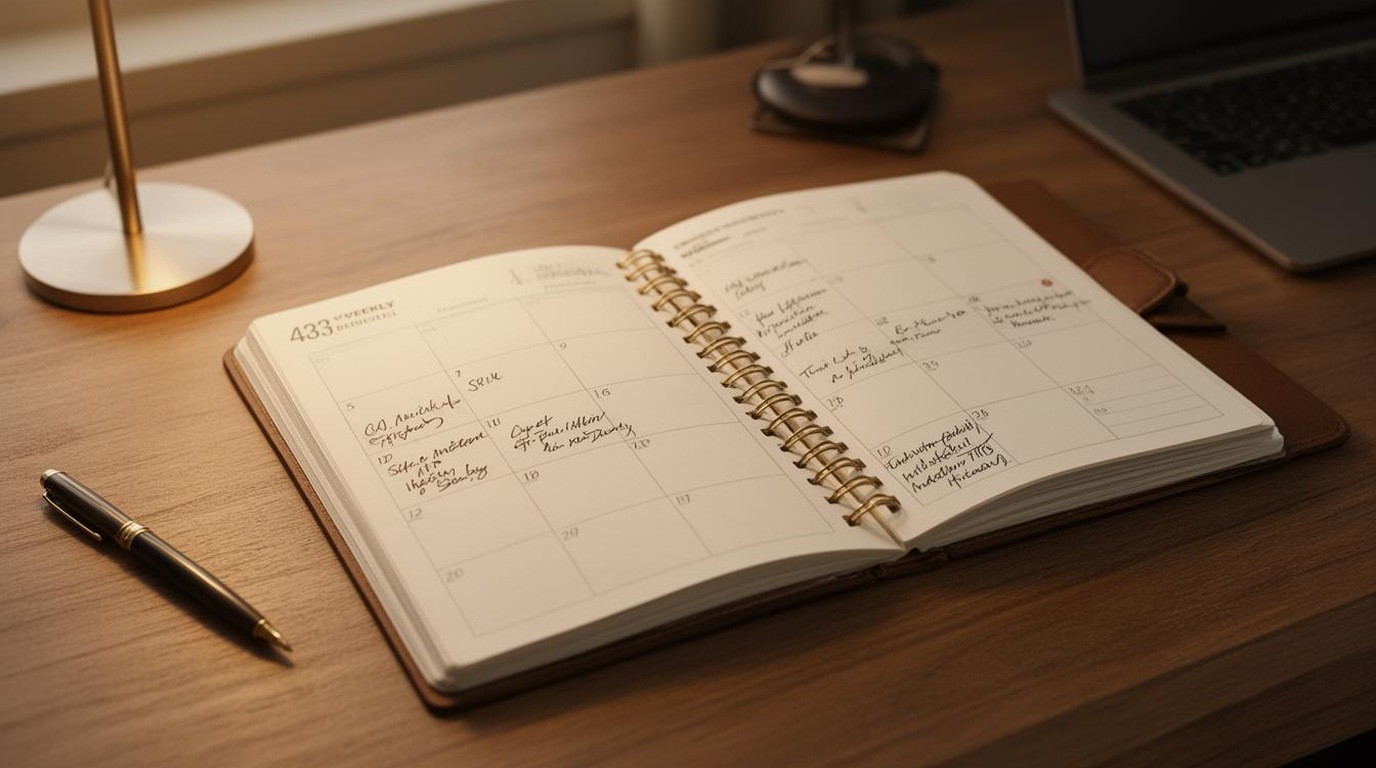
Planners are sold by their layouts, and the layout is the part of the book that decides whether it is used. A weekly page with a generous box for each day suits someone who plans in blocks of time. A daily page with hour markings suits a person whose day is a sequence of meetings. A monthly view suits someone who thinks in deadlines and projects. Each layout asks for a different amount of attention, and choosing the wrong one is the most common reason a new planner is abandoned in the third week of January.
This guide explains the three main layouts, what each one demands from the person using it, how to test a layout before buying and how to combine formats without creating clutter. It is about organization, not about productivity outcomes. Planners are personal tools, and nothing here promises a particular result for any reader.
Read this if you are choosing a planner layout for a busy week and want one that matches how you plan. You can skip it if you already use a layout you like and only want a new cover.
The weekly layout
A weekly layout shows seven days on one or two pages. Each day has a box or column, and the week is visible at a glance. Many weekly planners include a notes section, a list of priorities and a space for goals.
The weekly layout suits people who plan by the week, who have recurring commitments and who want to see the shape of their next seven days without turning pages. It is also a good choice for students, since a week of classes and assignments fits naturally on one spread.
The weakness is the space for each day. A busy day with several appointments can overflow its box, and a weekly layout gives little room for detailed hour-by-hour planning. If you need a precise schedule for each day, the weekly layout may feel cramped.
The daily layout
A daily layout gives each day its own page, often with hour markings and a section for tasks, notes and priorities. It suits people whose days are full of appointments and who need to plan in detail. Some daily planners include a morning and an evening section for reflection, though the purpose of those sections depends on the owner.
The daily layout is generous and flexible, but it can feel long. Turning pages every day takes time, and a planner with a full page for each day can be heavy to carry. It suits a desk or a bag with enough room, and it works best for people who enjoy writing in detail.
A daily layout also demands more discipline. If the day is not planned in advance, the empty page can feel like a reproach. Many people use a daily page as a record of what happened rather than a plan of what will happen, and that approach can work well too.
The monthly layout
A monthly layout shows a whole month, usually on two pages, with each day as a small box. It suits people who think in projects, deadlines and events, and it provides a bird’s-eye view of the month ahead. Many monthly planners are paired with a weekly or daily section, so that the month shows what is coming and the weeks show the detail.
Monthly layouts work well for planning travel, bills, school events and seasonal tasks. They are less useful for day-to-day detail, and they can feel too far from the work of each day if used alone.
Testing a layout before you commit
The best way to choose a layout is to use one. Before buying a planner, try the layout for a week in a notebook or on a printed template. Write down your real commitments, and see whether the layout holds them comfortably. If the week feels cramped, try a larger layout. If it feels empty, try a smaller one.
Ask yourself how you actually plan. Do you write tasks in a list, or do you think in time blocks? Do you check the planner in the morning, at lunch or at night? The answers point toward a layout that suits you.
Combining formats
Some planners combine formats: a monthly overview, a weekly spread and a daily section for notes. Combined layouts can be useful, but they also add pages and complexity. Check whether the sections are clearly labeled and whether they fit your habits. A combined planner is only helpful if you will use every section. Many people find that one main format with a small notes page works better than a crowded combination.
Layout and the year ahead
If you plan to buy a planner for the new year, consider the calendar. Some planners start in January, and others run from a different month. Check the first week and whether the planner includes holidays and the year’s key dates. A planner that starts mid-week may suit some people, but it can be awkward for a January start.
Our guide to paper weight and binding explains how to judge the pages before you commit, and a simple New Year goal system shows how to use the layout to review progress through the year.
Common mistakes
- Buying the most detailed layout when a simple one would be used every day.
- Choosing a monthly view when the work is planned by the day.
- Assuming a daily layout will be used for every page.
- Ignoring the size of the planner, which determines how easily it fits in a bag.
- Forgetting that a planner needs time to fill in, and expecting it to organize life without effort.
The short version
A weekly layout shows the shape of the week, a daily layout gives space for detail and a monthly layout shows deadlines and events. Test the layout before you buy, consider how you actually plan and choose the simplest format that holds your commitments. A planner you open every day is more useful than a perfect layout you never fill in.
Layout questions
Is a daily layout better than a weekly one?
A daily layout gives room for detail, while a weekly layout shows the whole week at a glance. Many people use a weekly view with a daily page for busy days.
Should I choose a monthly layout?
A monthly view suits long-term planning and key dates, but it may need a second layout for daily tasks.
How do I test a layout before buying?
Write a typical week into the sample pages and see whether the space is enough.