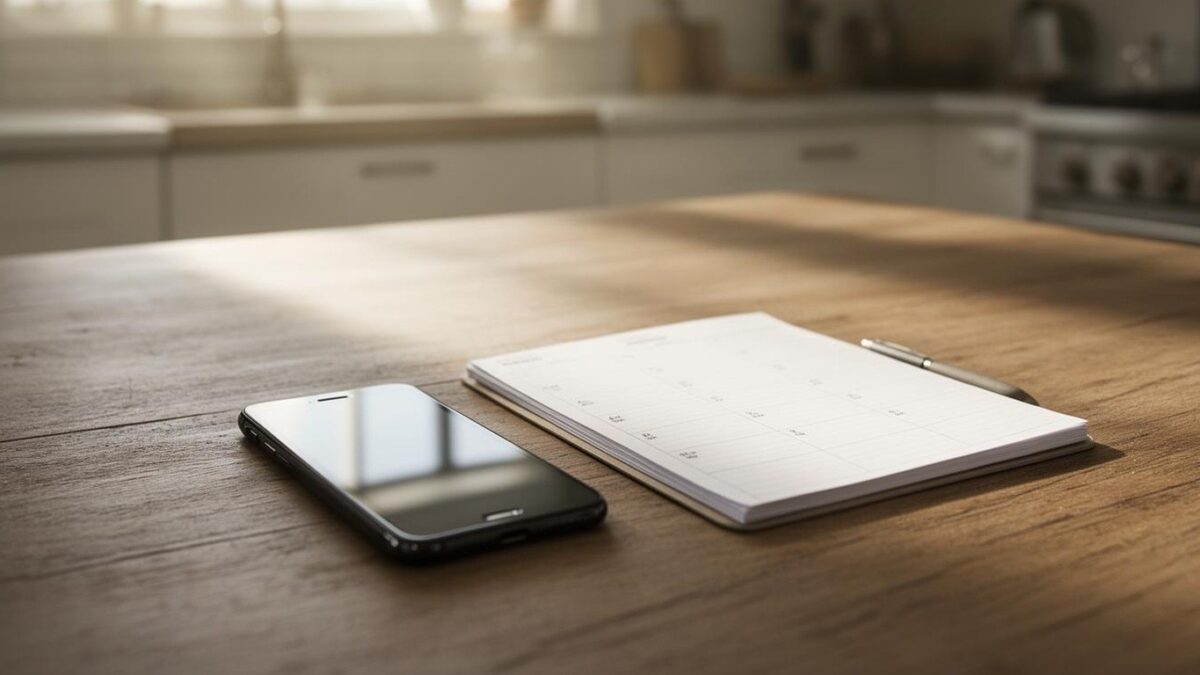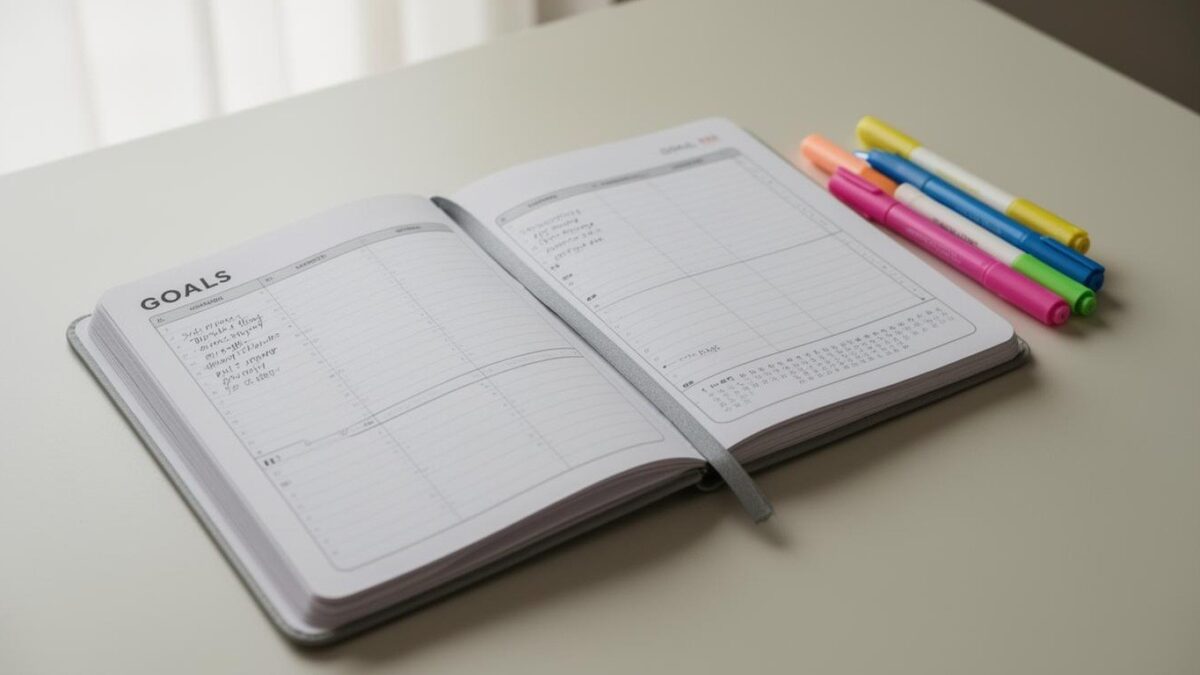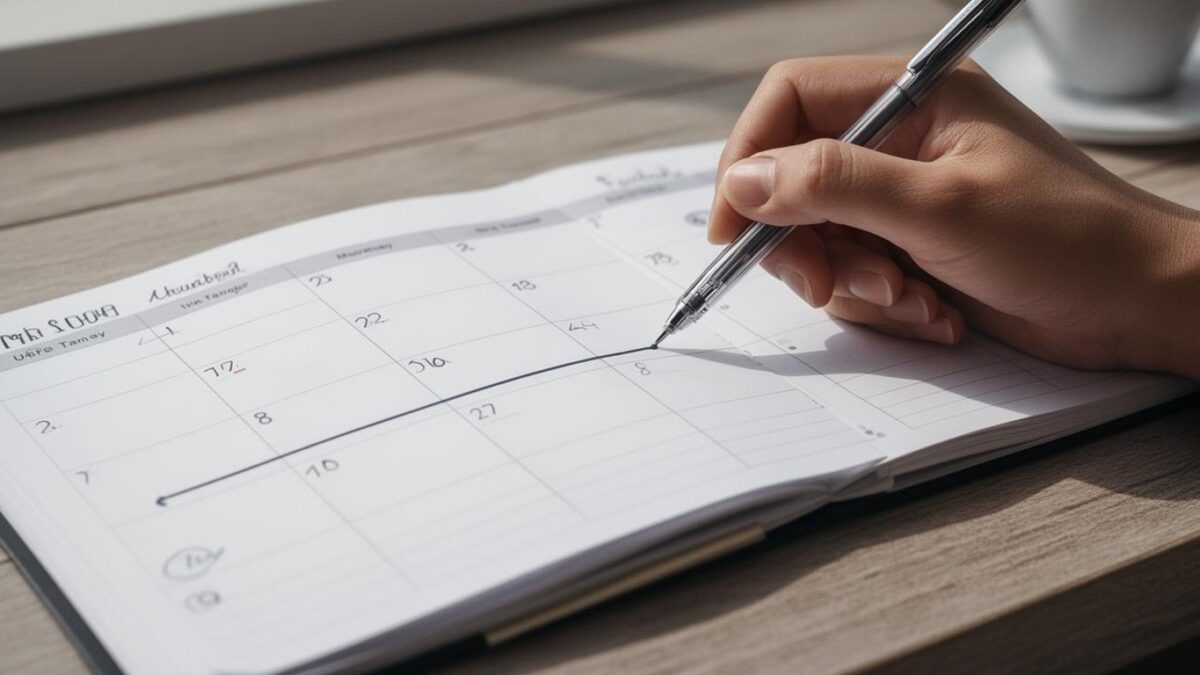

A planner is a gift that asks the recipient to use it every day, and that makes it one of the most demanding presents to get right. A cover that is too bright, a size that does not fit the bag or a layout that does not match the recipient’s week will be quietly set aside by February. A planner that suits its owner, on the other hand, becomes a companion that is carried everywhere and written in until the last page.
This guide explains how to choose a planner as a gift for a student or a busy professional: how to judge size and weight, which inserts and covers suit different lives, how to find out what the recipient already uses and how to present the gift so it feels like an invitation rather than a demand. It does not recommend a brand, and it does not make claims about any planner’s effect on productivity or wellbeing.
In brief
- Size and weight decide whether the planner gets carried.
- Refills keep the planner useful for more than one year.
- A start date that matches the calendar avoids a half-empty first month.
Start with the week the recipient lives
The best planner for a student is rarely the best for a manager with back-to-back meetings. A student’s week is built around classes, assignments, exams, work shifts and social life, often in a shifting pattern. A professional’s week may be full of appointments, deadlines and travel. The layout should match the shape of that week.
If you can, ask what the recipient wants to track. Some want a place for assignments and exam dates, others want space for meetings and calls, and some want a page for habits or personal goals. A planner with a layout they find natural will be used. A planner chosen for its appearance alone may not be.
Size and weight
Planner sizes are often described by the paper dimensions, such as a pocket size, a compact size, an A5 size or a larger desk size. A pocket planner fits in a coat or a small bag, but it has little room for writing. A larger planner has space for detail but is heavy to carry. Consider where the recipient will keep the planner, and how much they will carry it.
A student who carries books and a laptop may prefer a compact planner that fits beside them. A professional who works at a desk may be happy with a larger planner that stays on the table. Check the dimensions and the weight before buying, and compare them with the recipient’s bag if you know it.
Inserts and refills
Many planners use removable inserts, which are refills for a binder or a cover. Inserts let the owner change the layout each term or year without buying a new cover. A gift that includes a cover and a set of inserts can be very practical, particularly if the recipient likes to customize.
Check whether the inserts are compatible with the cover you choose, and whether replacement inserts are available for the coming year. A cover with no refills can become a difficult gift in the second year.
Covers and materials
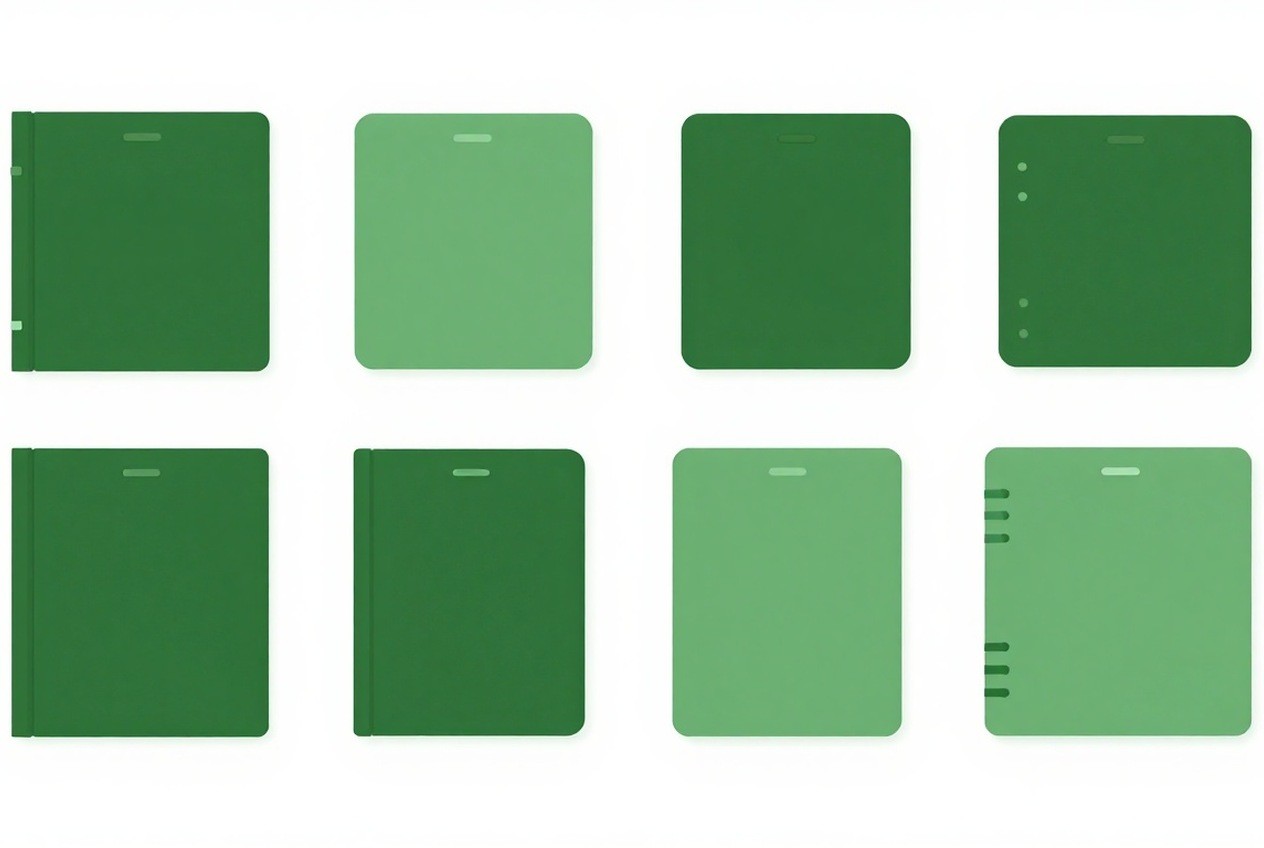
The cover is what the recipient sees every day, so choose one that suits their style. Leather covers feel substantial and age with use. Fabric covers are softer and often lighter. Plastic and board covers are practical and inexpensive. Consider whether the recipient would prefer a cover that is easy to clean, one that resists scratches or one that can be personalized with a monogram or a name.
Avoid covers that are so distinctive they are awkward to carry or to show in a professional setting. A subtle cover in a neutral color suits most people, and a bold cover suits someone who enjoys expressing their taste.
Timing for the new year
Many planners are bought in late December for a January start, and that timing matters. Check the calendar that the planner begins with and whether the first week is included. Some planners start in a different month or on a different day of the week. A planner that begins in the middle of January may feel awkward, so check the start date carefully.
A planner is also a gift that can be given in early January, when the recipient has time to think about their goals. Consider a short note that suggests a first page, such as a list of three things they want to finish by spring.
Pairing the planner with other items
A planner works well with a pen the recipient likes, a small pouch for stationery or a bookmark. These are modest additions that make the gift feel complete without overwhelming it. Choose a pen that suits the paper, as described in our guide to paper and binding, and avoid pens that bleed through.
A small note about how to begin can help. Suggest that they start with a simple weekly view, as explained in our guide to planner layouts, and build from there.
Questions to ask before buying
- What does the recipient need to track each week?
- Do they carry a bag, and how much room does it have?
- Do they prefer a cover that is bold, subtle or practical?
- Do they want refills, and are they available for next year?
- What is the start date of the planner?
- Would they prefer paper, digital or both? See our comparison of digital and paper planners.
Gift receipts and returns
Planners are often returned if they do not suit, so check the return policy and ask for a gift receipt. If the recipient prefers a different size or layout, an exchange is the easiest solution. A gift card to the store that sells the planner is a sensible fallback when you are unsure of their taste.
The short version
Choose a planner for the recipient’s week, the size of their bag and the kind of cover they will carry every day. Check whether refills are included and available, make sure the calendar starts at the right time and add a pen or a small note that helps them begin. A planner that suits its owner will be opened every day, and that is the only measure of a good planner gift.
Planner gift myths
Myth: A bigger planner is always more useful.
Reality: A larger planner has more space but is heavier and less portable. Choose the size that fits the recipient’s bag.
Myth: Any cover will last.
Reality: Covers vary in durability. Check the material, the binding and the way the cover handles everyday use.
Myth: The first page of a planner can wait until January.
Reality: The start date may fall in December. Check the calendar that the planner begins with.